



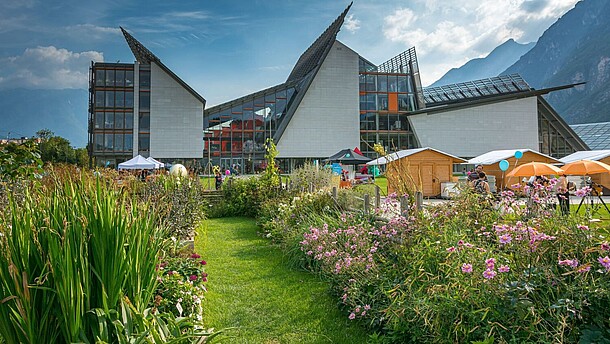
The German Museums Association (Deutscher Museumsbund), a NEMO member, has launched a new programme with the aim of supporting museums to reduce energy consumption, conserve resources and lower operating costs while continuing to…
Sustainability
NEMO encourages and supports museums to do their part and actively contribute to a more sustainable future. We advocate for stakeholders to fully recognise the potential of museums as allies in the sustainable transition. Explore our resources, webinars and what we do for sustainability and climate action.
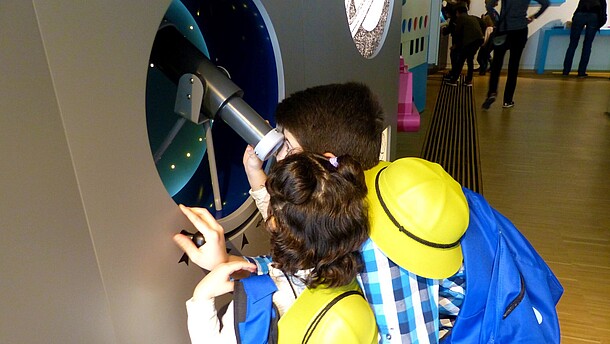
On 8 September 2026, the TOWCHED project kicked off its next phase: the TOWCHED Pathway. Following a selection process led by NEMO, 10 museums from across Europe were chosen from among applicants to take part in a programme that…
The TOWCHED project, of which NEMO is a partner, has launched the Kit of Creative Resources, a practical resource designed to…
What NEMO does
NEMO wants to make sure that museums are recognised and supported by EU policy makers for the work they do to contribute to a sustainable future by:
- Advocating for the instrumental role of museums in providing opportunities for decent work, poverty reduction, social resilience, gender equality and other aspects relevant to the SDGs.
- Illustrating how museums and creative industries contribute to the realisation of development targets by providing solutions in urban and rural, European national and local contexts.
- Providing information about the different approaches that museums in Europe and around the world are taking to contribute to the Green Deal and help make the world more sustainable in the future.
- Encouraging co-operation between museums and other players to form strong alliances reaching out to global citizens at every level.
- The NEMO Working Group Sustainability and Climate Action contributes to the sustainable development of European museums through research and advocacy and provides a space to exchange knowledge and experiences aligned with tackling the climate crisis.
- NEMO is a member of the Climate Heritage Network and works with a variety of organisations dedicated to climate action and sustainability to help bring the sector together, to align views and actions, and to support museums with a strong voice in their sustainable transition.
- NEMO has developed a Sustainability Policy and takes part in the SHIFT eco-certification programme, an initiative designed to help international cultural networks reduce their environmental impact and embed sustainable practices into their operations, as well as inspire and contribute to positive change for the climate, people, and planet.
NEMO's advocacy actions
NEMO's Sustainability Policy

With its Sustainability Policy, NEMO commits to reducing its ecological footprint and supporting museums in Europe’s green transition. The policy promotes awareness, low‑carbon travel, sustainable events, and resource‑smart operations, guided by the SDGs and reviewed annually.
SHIFT eco-certification
NEMO is part of the SHIFT eco-certification programme, helping cultural networks reduce environmental impact and embed sustainable practices. Alongside our new Sustainability Policy, this reflects our commitment to climate action and inspiring positive change for people and planet

Mapping of climate action

NEMO's interactive map demonstrates museums' strength in creating awareness, adapting, and fighting climate change. By joining forces, we can create a museum community that is actively steering the topic forward and show that museums can make an impact and difference for the planet. Please contribute via the submission form.
Pledge for sustainability
NEMO and the European museum sector pledge to work with the community and to use our diverse collections to inspire people to facilitate change for the future sustainability of the planet. This bold statement was prepared and endorsed by all national museum organisations in Europe present at the 2023 NEMO European Museum Conference. It encourages the re-evaluation of museum collections with a view to their social, historical, environmental, and educational impact.


