Exploring digital practice in Slovak museums
Michal Čudrnák, a Bratislava‑based specialist in digital collections, guided participants through talks and hands‑on workshops that introduced design critique methods for analysing digital elements in museum exhibitions. Participants worked in groups to evaluate digital tools from the perspective of visitors, accessibility, and curatorial intent, sharing their findings in a collective discussion.
Eva Koppen, member of the Working Group LEM, contributed an additional peer‑to‑peer workshop, offering a collaborative space for participants to reflect on challenges and opportunities in digital transformation.
Visits to key cultural institutions
The programme included visits to several cultural institutions in Bratislava, among them:
- Bratislava City Gallery
- Slovak National Museum – Historical Museum at Bratislava Castle
- The Museum of Education and Pedagogy
These visits allowed participants to observe digital interpretation tools in context and apply the critique methods introduced during the workshops.
Open session with Slovak museum professionals
On the second day, the group welcomed museum educators and professionals from across Slovakia for an open session in which NEMO grant holders presented short case studies showcasing both successful and challenging practices in digitalisation. The lively discussions that followed encouraged cross‑border exchange of know‑how, while the presentations underscored the growing diversity of digital strategies emerging across Europe and highlighted the importance of collaboration in navigating rapid technological change.
Strengthening the LEM Working Group network
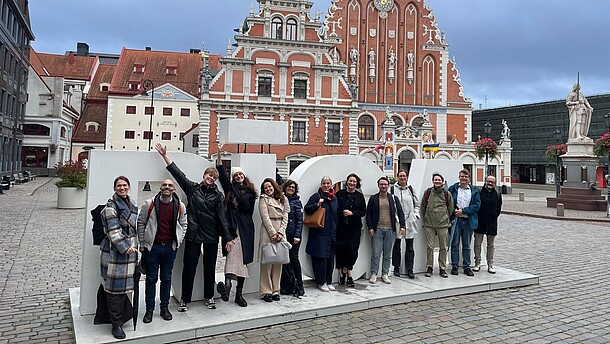
Beyond the formal programme, shared meals and informal gatherings offered opportunities for networking and community building. The 2026 WG LEM study visit demonstrated once again how digital transformation continues to reshape museum education. By bringing together professionals from across Europe, the meeting strengthened the network’s collective capacity to support museums as inclusive, innovative spaces of learning.
NEMO's active Working Groups