


Cultural activities often involve significant use of energy, water and materials, yet their environmental footprint is not always fully understood or systematically addressed. The FULCRUM toolkit focuses on ecological sustainability and supports cultural organisations in measuring and reducing their impact across key areas such as energy use, water, mobility, materials and waste management. It also addresses the challenges of data collection and monitoring, recognising that reliable information is essential for informed decision making.
- Learn more and access SUSTAINABILITY AT THE CENTRE - Train-the-trainer toolkit for the introduction of environmental management in cultural organisations and learn more
What sets this resource apart is its combined focus on environmental sustainability and organisational development. Rather than presenting sustainability as a checklist of actions, the toolkit frames it as a long term organisational change process. It supports organisations in embedding sustainability within their structures, strategies and daily practices - helping them move from awareness to implementation.
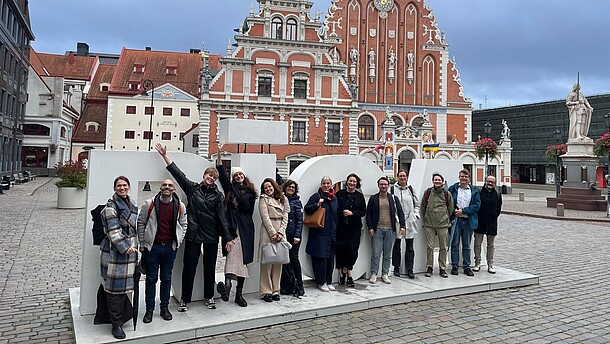
The toolkit builds on learning from the Sustainability at the Centre training programme (2024–2025), during which socio cultural workers from across Europe assessed their organisations’ environmental footprints and developed action plans tailored to their local contexts. By linking sustainability goals to strategic planning, internal culture and stakeholder engagement, the resource helps cultural organisations reduce waste and costs, strengthen resilience, and improve access to public and private funding.
Designed as an accessible learning tool, the FULCRUM toolkit invites cultural professionals to reflect on their practices and take practical steps towards more sustainable operations. Readers interested in sustainability, cultural management and organisational transformation are encouraged to explore the toolkit and join the learning journey.