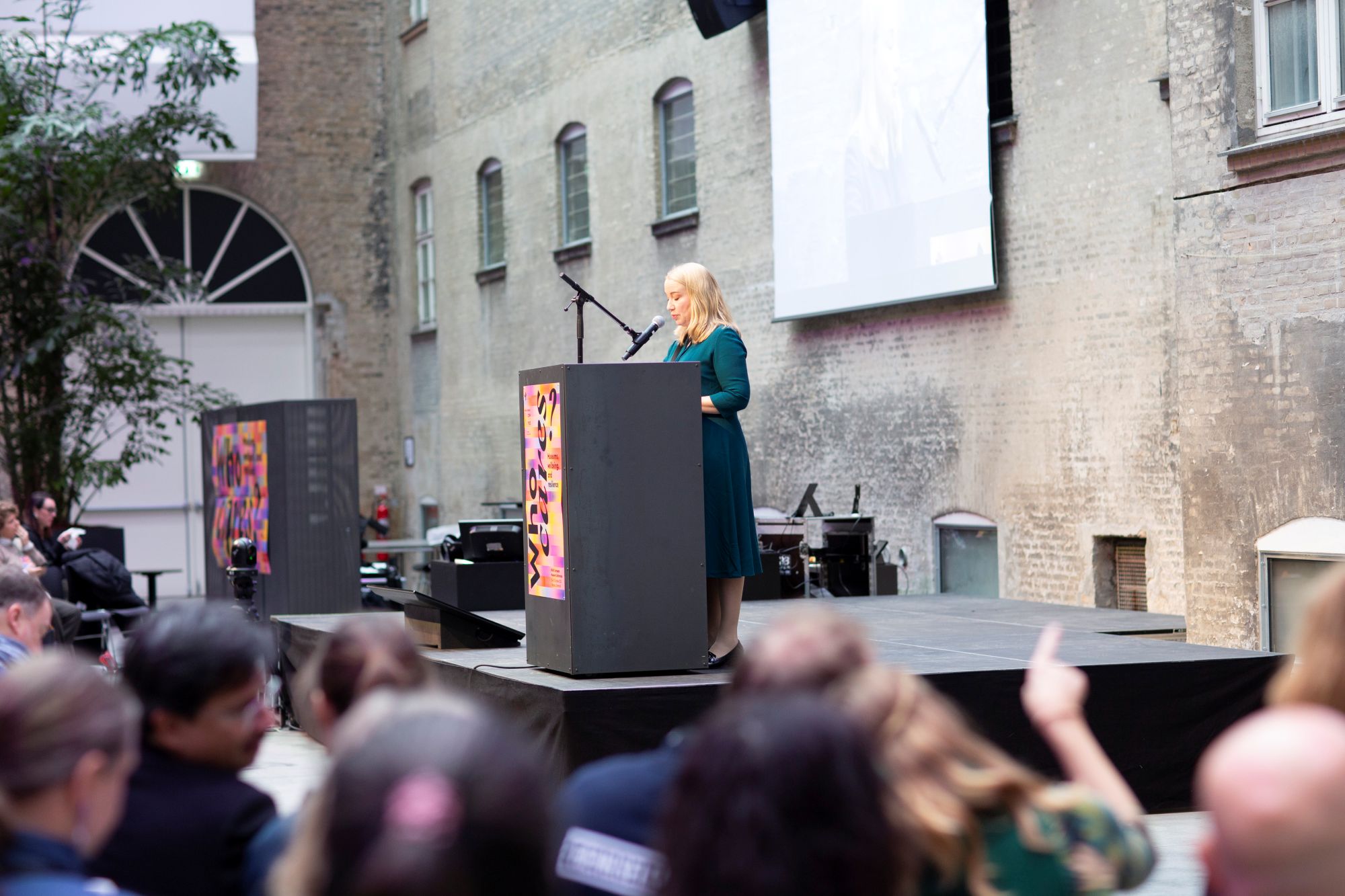
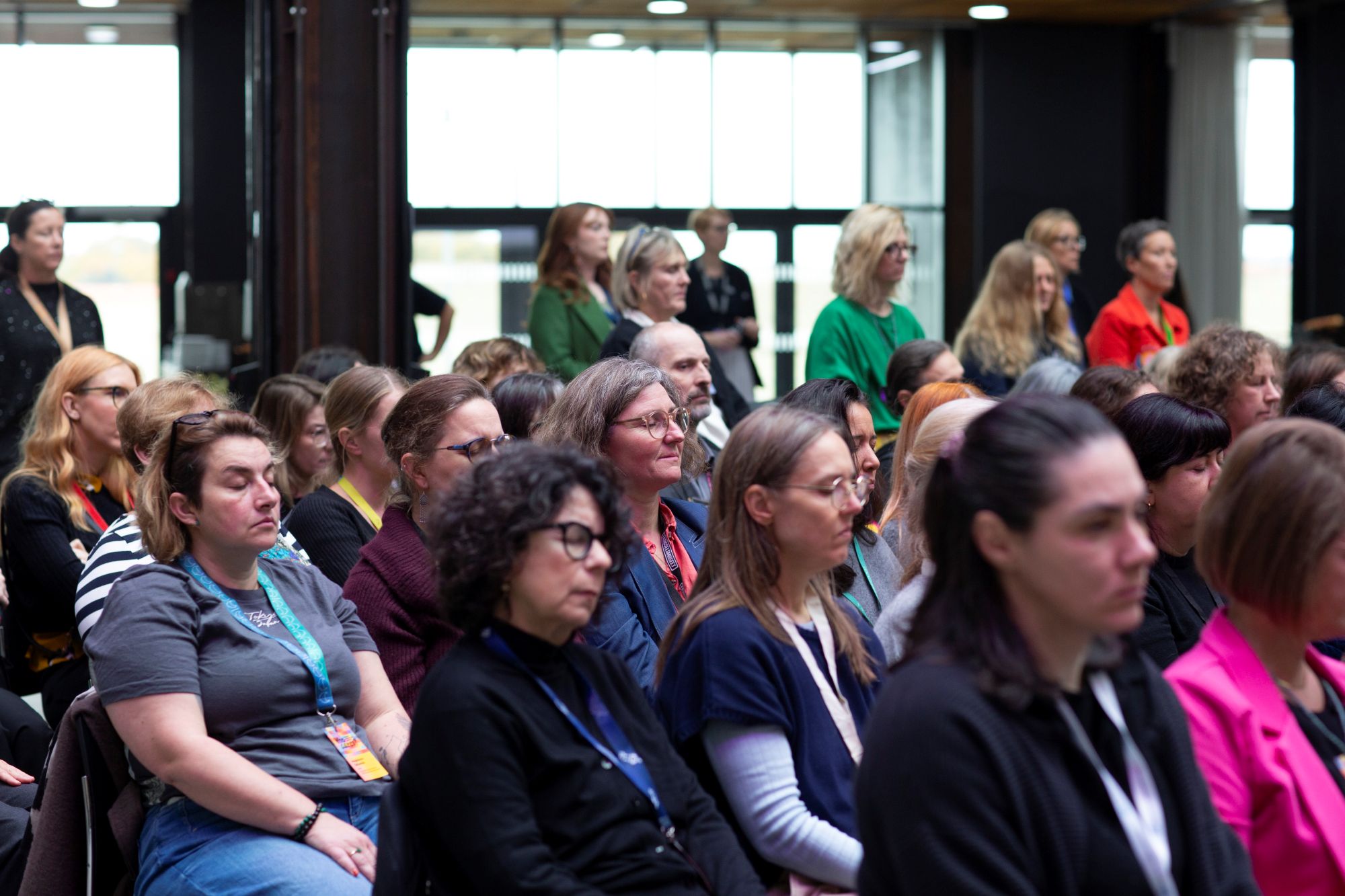
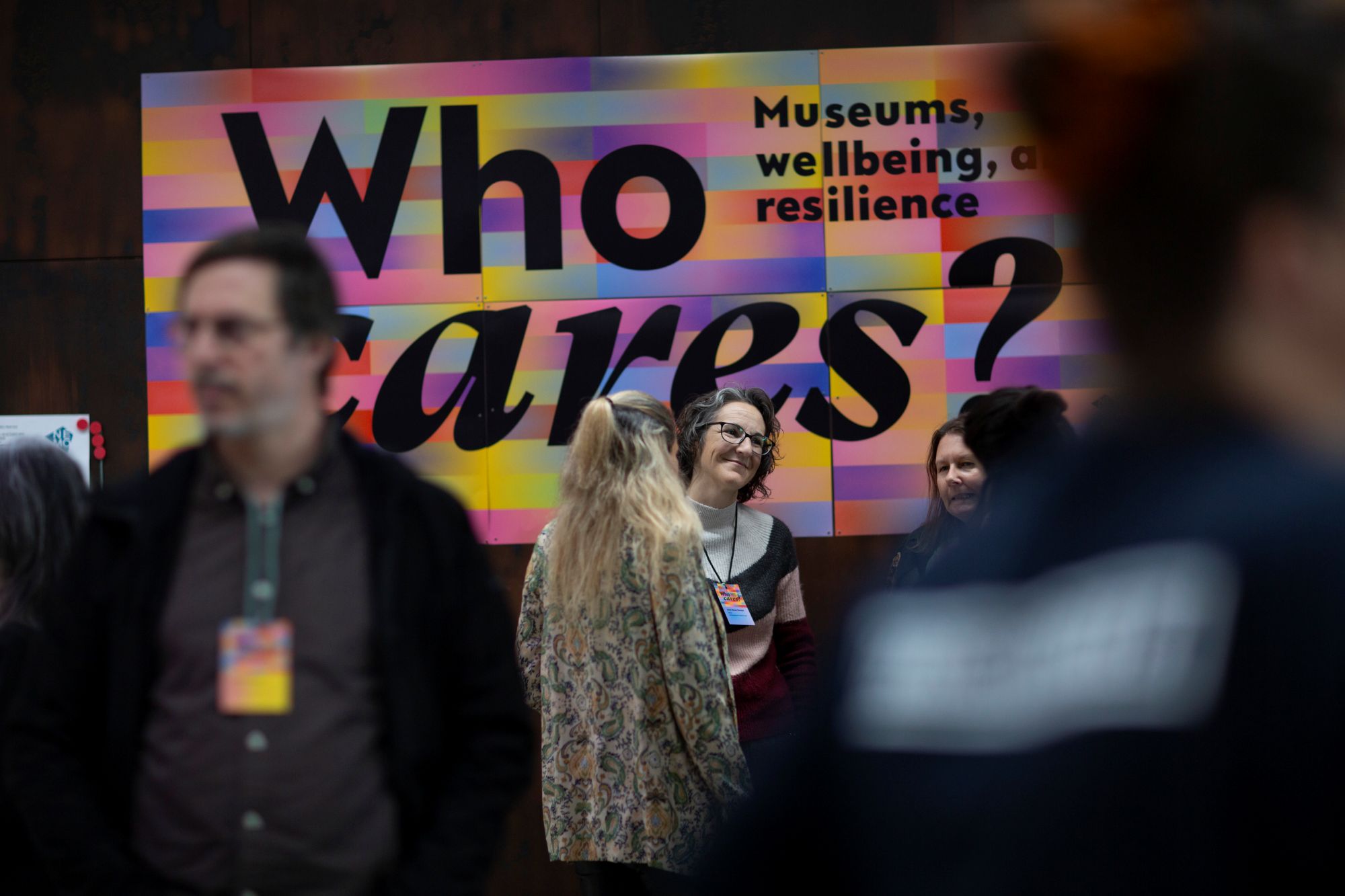
To help participants arrive fully in the moment, Jolien Posthumus, a museum consultant and trauma-sensitive mindfulness therapist from the Netherlands, led a guided mindfulness check-in as an invitation to pause and reflect before diving into the day’s discussions.
Keynote: Museums and the future of wellbeing
In the keynote speech, Elizabeth Merritt, Vice President for Strategic Foresight at the American Alliance of Museums, explored how museums are increasingly stepping into roles as providers of care. As traditional support systems face erosion, especially in the USA, Merritt envisioned futures where museums become integral to new infrastructures of wellbeing, partnering with health services to meet community needs.
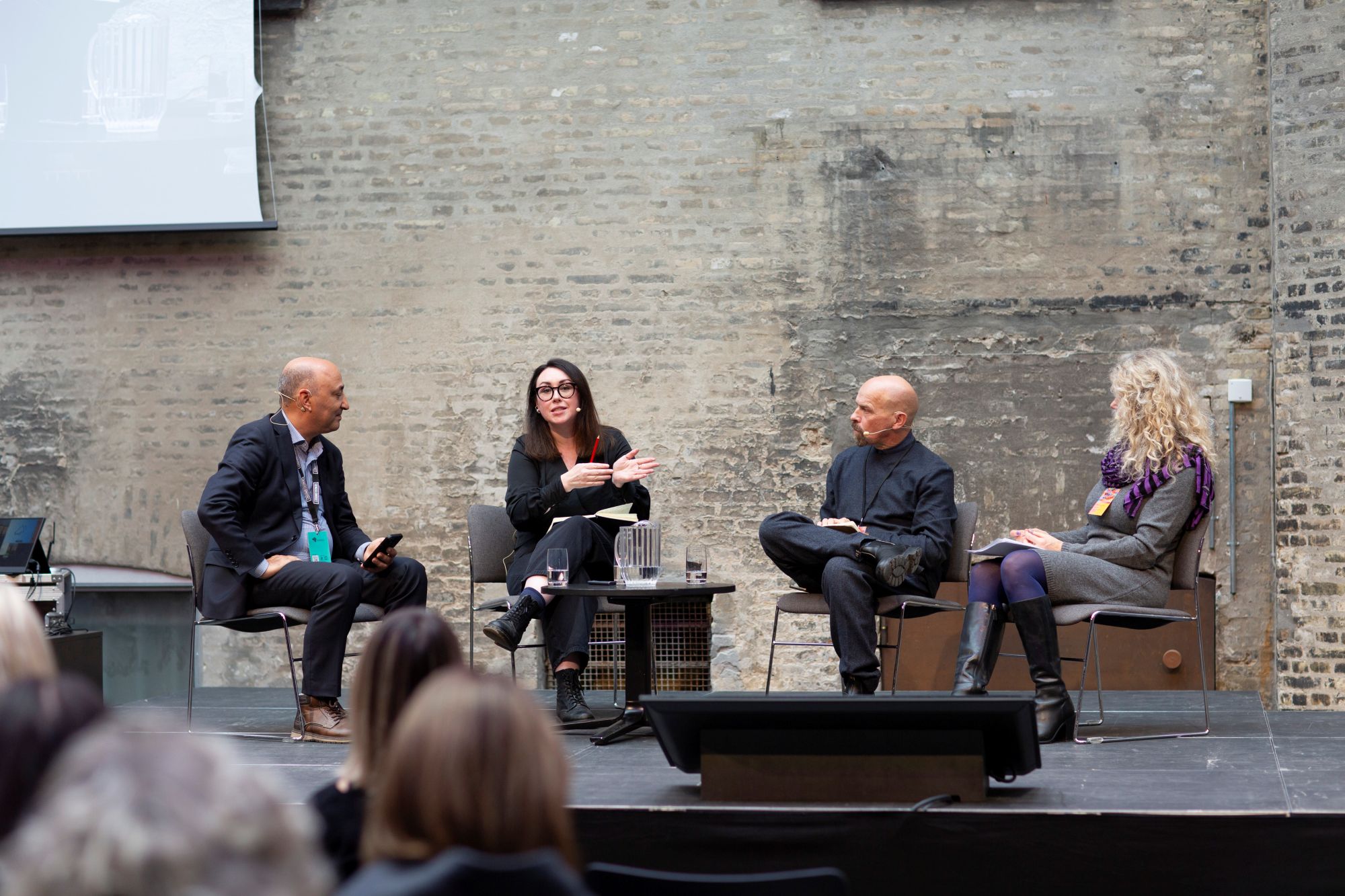
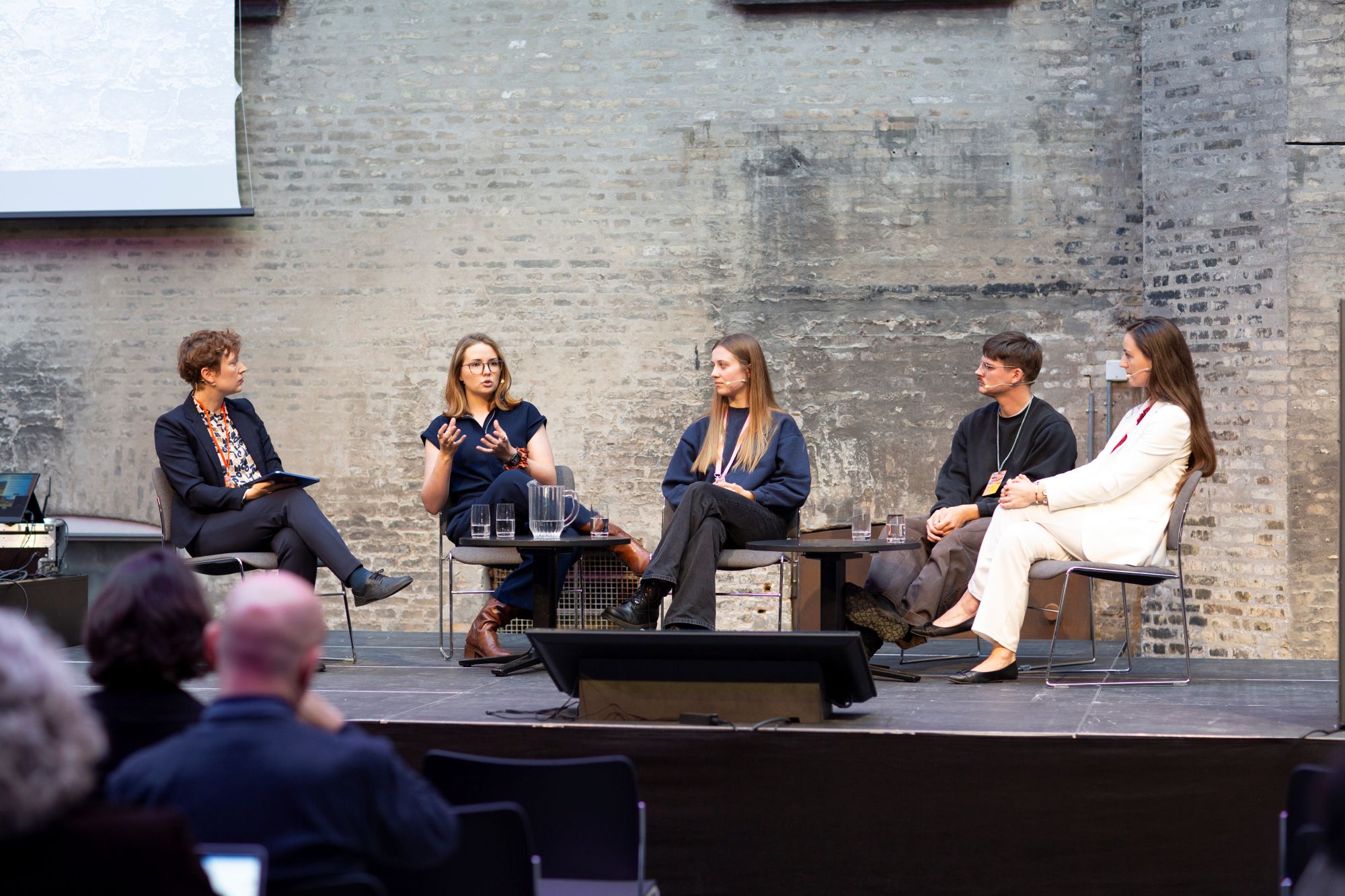
Panel: Collective care in practice
The panel on collective care, moderated by Sandro Debon, NEMO Board member, showcased diverse European initiatives that position museums as active agents in wellbeing.
Mia Lejsted Bonde, Ovartaci Museum, described a holistic approach that integrates art created by individuals with mental health challenges, offering inclusive creative workshops for vulnerable groups. Roberto Casarotto, Aerowaves, shared innovative dance programmes designed for people with Parkinson’s, teenagers facing psychological challenges, and cancer survivors. All highlighting the power of movement and art in healing. Sinéad Rice, National Gallery of Ireland, presented the Gallery’s journey towards embedding care as a structural and ethical value, culminating the Cultural Art Psychotherapy programme ‘No Words’, co-created with marginalised communities.
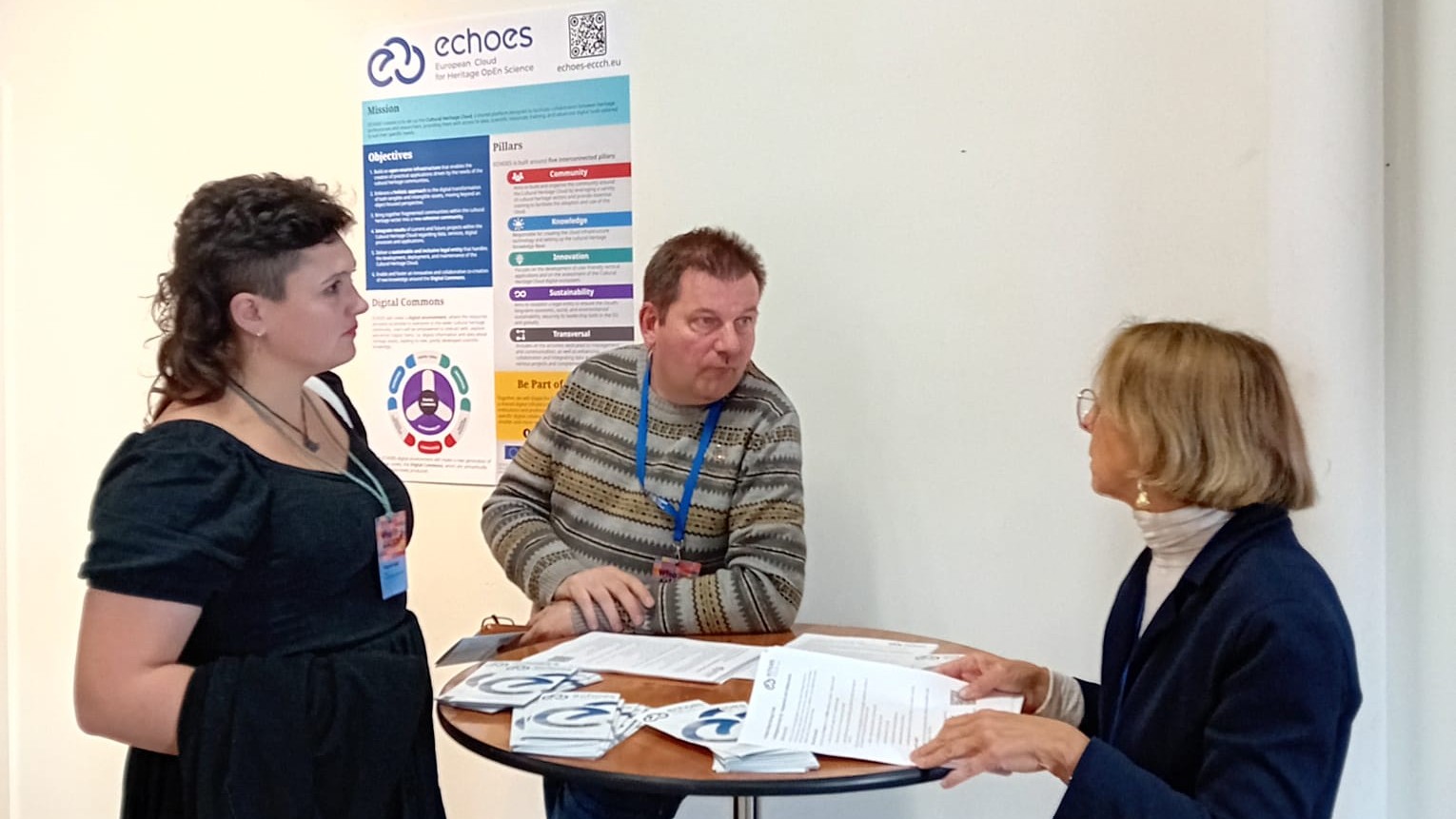
During the lunch break, participants got to explore Horsens’ vibrant art scene through an ‘Art Snack’, where local creativity was showcased in 11 workshops. Others visited the ECHOES and Towched stands to learn more about NEMO’s current European collaborations projects and their impact on cultural engagement. Participants were especially encouraged to explore the second call for Cascading Grants under the European Collaborative Cloud for Cultural Heritage (ECCCH). This grant offers a unique opportunity for museum umbrella organisations and cultural heritage networks to lead collaborative projects that strengthen the sector’s digital capacity.
Breakout sessions: Practical approaches to wellbeing
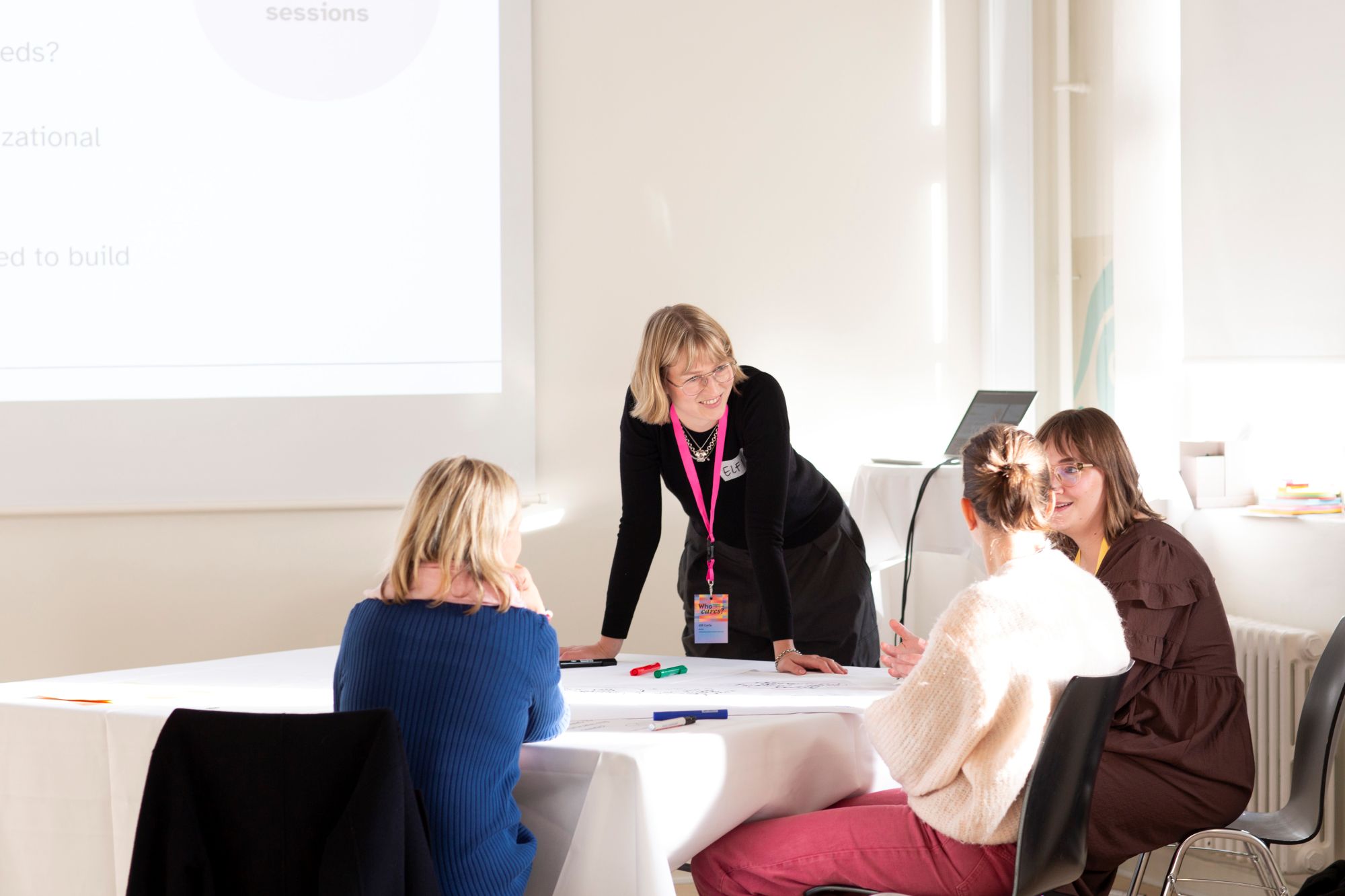
The afternoon offered a series of parallel hands-on workshops and a talk on youth perspectives, each addressing different aspects of wellbeing in museums:
- Olivia Braun and Elfi Carle, Landesmuseum Württemberg, explored how museums can build inclusive organisational structures that support collective resilience and wellbeing.
- Anu Viltrop, Estonian Museums Association, guided participants in recognising burnout and developing personal self-care strategies to foster joy and balance.
- Inga Surgunte, Latvian Academy of Culture, facilitated a dialogue on equitable collaboration between the cultural and health sectors, aiming to define shared values and indicators.
- Francesca Lambertini and Alice Benassi, BAM! Strategie Culturali, introduced tools for evaluating the social impact of cultural welfare projects through hands-on planning exercises.
- Máté Hirsch, Petőfi Literary Museum, led a creative writing workshop using literary therapy techniques to promote emotional reflection and inclusive engagement.
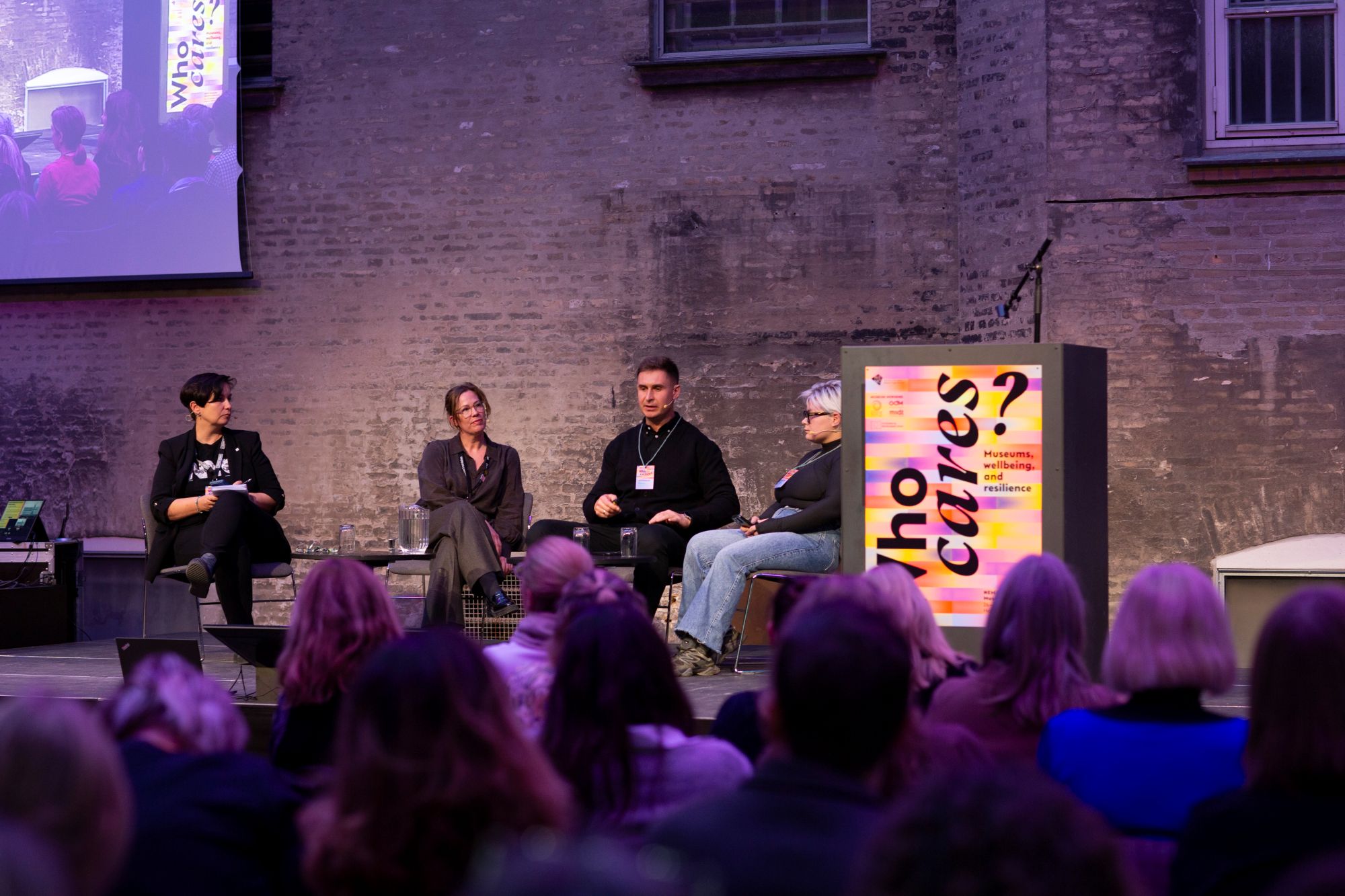
- In the youth-focused talk, Lea Pavlov (Estonian Health Museum), Hanna Kushnirenko (Dance artist/instructor), Arno Major (S.M.A.K.), and Vera L. B. Grablechner (myCulture), moderated by Hanna Belz (NEMO), discussed how museums can become safe, empowering spaces for young people to shape cultural futures.
Deep dive: Trauma-informed museum practices
The day culminated in a deep dive into trauma-informed museum practices, moderated by Paulina Florjanowicz, Polish National Institute for Museums. Jolien Posthumus returned to explore how trauma-sensitive mindfulness and art can foster healing and resilience. Yurii Horpynych and Maryna Bohush from Ukraine’s National Museum of the History of Ukraine in the Second World War shared their cultural rehabilitation programme for war-affected communities, demonstrating how museums can support psychosocial recovery and reintegration.
Evening reception and collaborative art
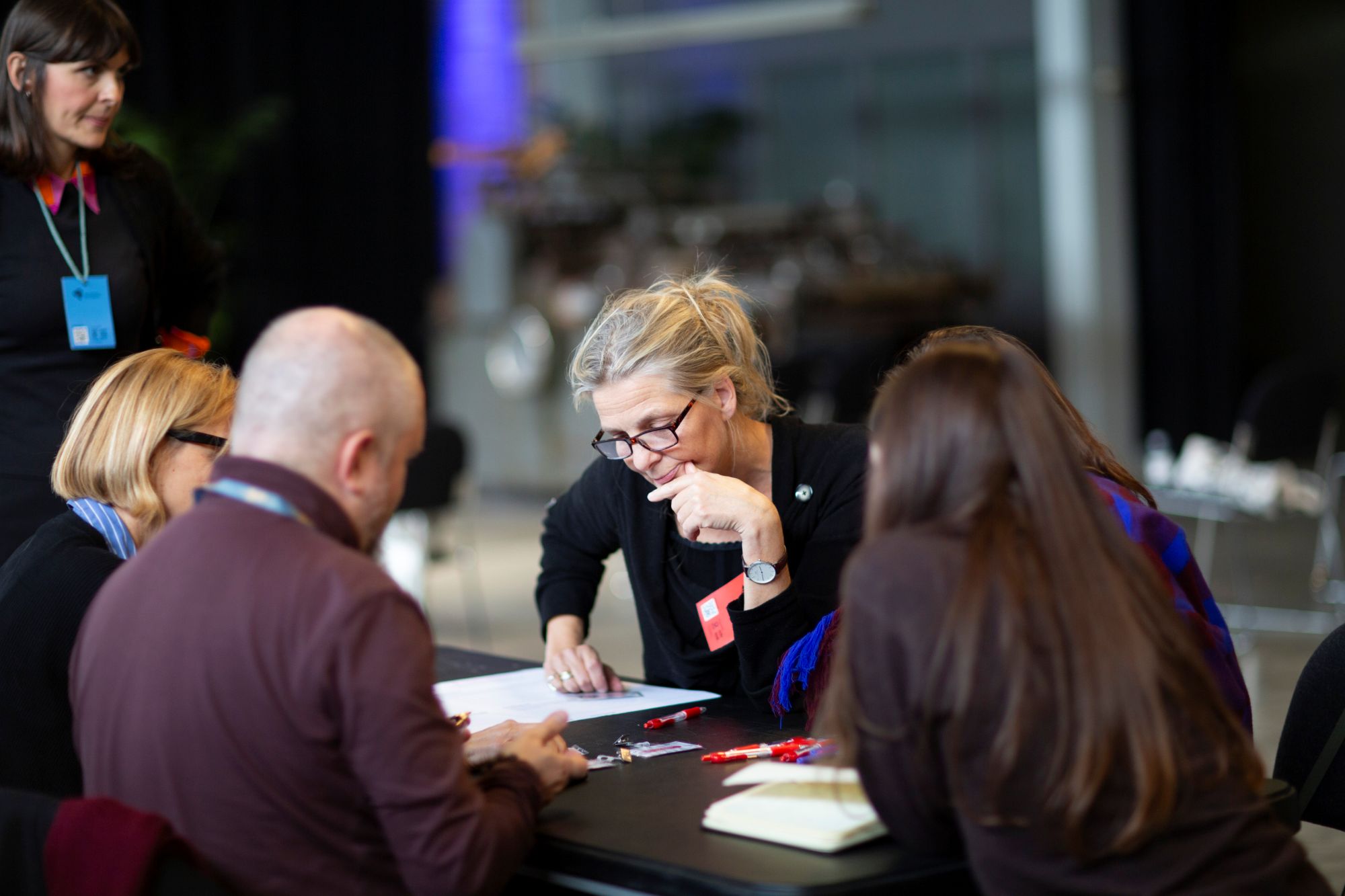
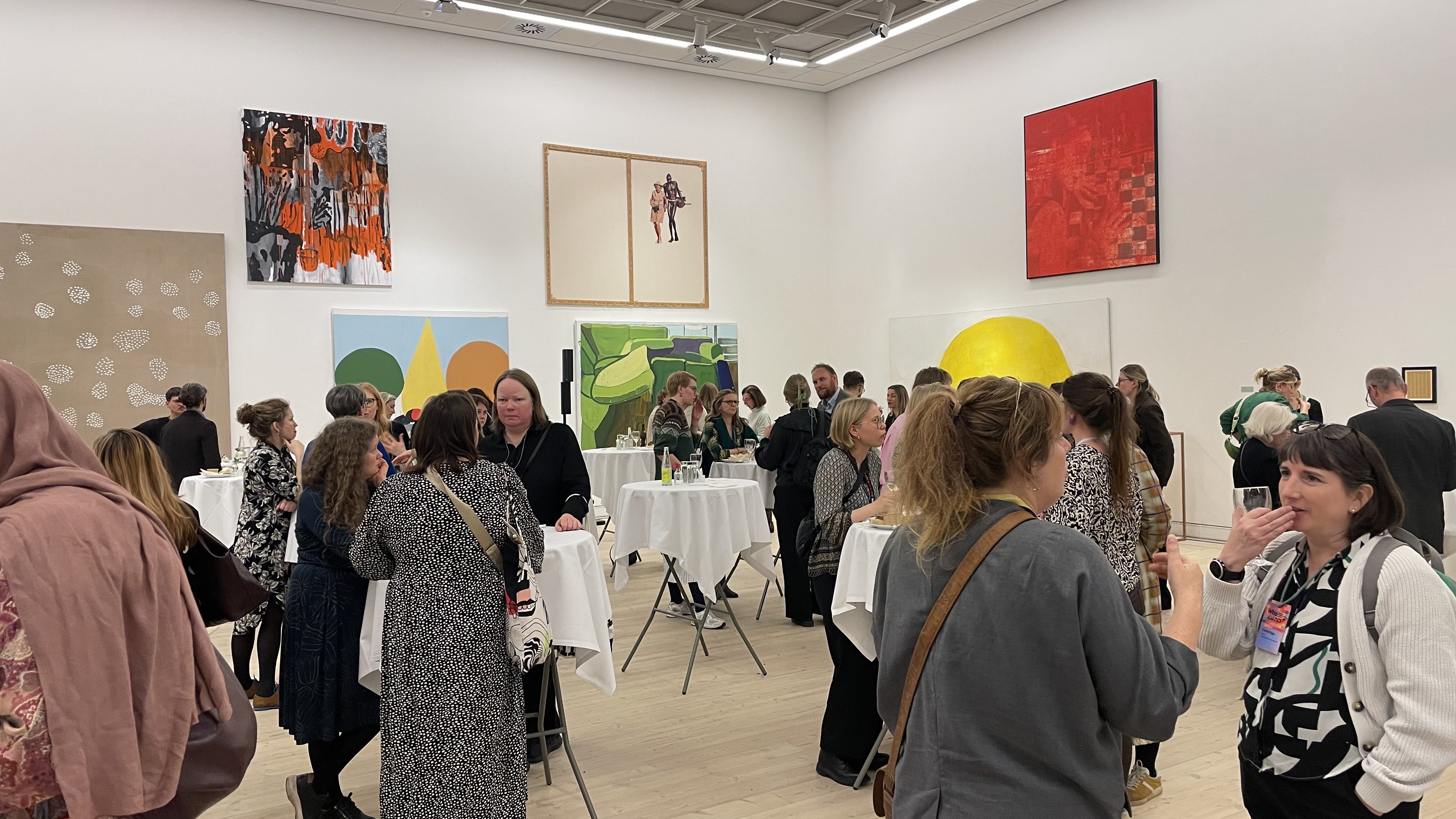
The evening concluded with a reception at Horsens Art Museum, where Director Claus Hagedorn-Olsen welcomed guests. Attendees were invited to participate in a collaborative art-making experience led by Helene Engelund and Beth Justesen from Art School Horsens. Drawing on their project ‘Kunst og Kræft’ (Art and Cancer), the workshop offered a space for creative expression and collective healing.