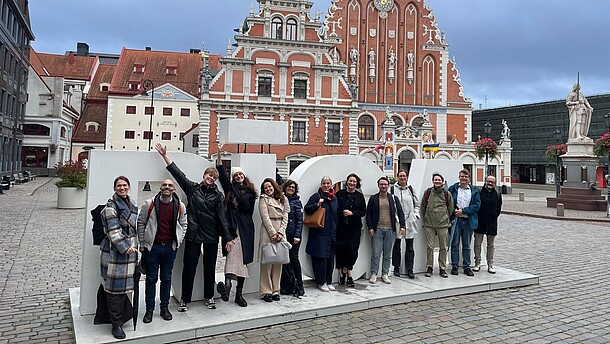



On Monday 27 October in Horsens, Denmark, at NEMO’s European Museum Conference 'Who cares? Museums, wellbeing, and resilience', we’ll put a spotlight on youth wellbeing and representation. With contributions from Estonia, Italy, Ukraine, Belgium and Austria, the panel will examine how museums can rethink their roles and responsibilities in creating spaces where young people feel seen, safe and empowered to shape the future of culture.
Moderated by Hanna Belz (NEMO), the session will feature four speakers who bring personal, professional and creative perspectives to the conversation. From inclusive health education and embodied practices to institutional transformation and digital engagement, the session promises to challenge assumptions and inspire new approaches to youth-centred cultural work.
To ensure that the voices of the next generation are meaningfully represented at the conference, the speakers in this session were selected through a call for participation and travel grant. Open to young professionals up to the age of 33 working in or connected to the museum sector, the call aimed to support emerging voices and perspectives. Out of the 41 applications, the four people below were selected to join the panel on youth perspectives on wellbeing and culture. The fifth grant holder, Máté Hirsch, Petőfi Literary Museum (Hungary) will deliver the workshop Writing the self: Creative reflection for wellbeing in museums on Monday 27 October.
- Lea Pavlov (Estonia), Estonian Health Museum
A museum’s role in supporting youth through inclusive health education
At the Estonian Health Museum, care begins with understanding. Lea Pavlov presents the museum’s inclusive, science-based programmes on puberty, sexual health, and relationships – designed to support teenagers in navigating complex emotional and physical changes. These often-taboo topics are approached with respect, openness, and age-appropriate formats that encourage dialogue and build trust. Lea will share how interactive education fosters autonomy, reduces anxiety, and strengthens resilience among youth. This talk demonstrates how museums can play a vital role in promoting wellbeing and safe connections, making health education both accessible and empowering. - Hanna Kushnirenko (Italy/Ukraine), Dance Artist/Instructor
Movement, wellbeing and youth engagement in museums
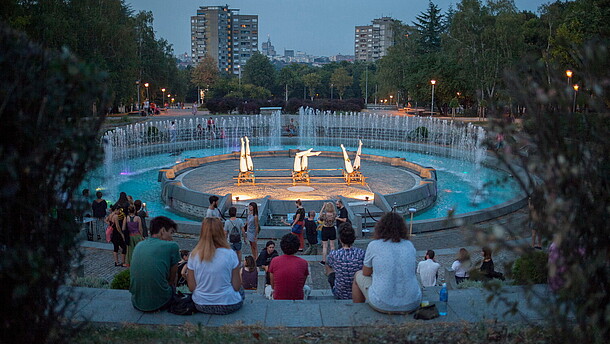
Hanna Kushnirenko brings a unique perspective as a dance artist and educator working at the intersection of movement, wellbeing, and youth engagement in museums. Drawing from her work with Dance Well and Future Moves, Hanna explores how embodied practices can foster emotional clarity, connection, and inclusion among young audiences. Her contribution highlights the power of movement to break down barriers, support mental health, and create spaces where all bodies feel welcome. Hanna invites us to rethink cultural institutions not just as places of observation, but as active, participatory environments that nurture agency and joy from the inside out. - Arno Major (Belgium), S.M.A.K.
Generational change and institutional transformation
What happens when a museum built to challenge norms becomes stuck in its own? At S.M.A.K., an investigation into toxic leadership has sparked a deep restructuring process, revealing tensions between tradition and transformation. As the youngest team member in a staff of 40, Arno Major offers a candid, behind-the-scenes look at generational divides, institutional fatigue, and the struggle to redefine what 'contemporary' really means. Through a conceptual installation of everyday museum objects, like the 25-year-old coffee mugs still in use, Arno invites us to reflect on the invisible culture shaping our institutions and the urgent need for renewal. - Vera L. B. Grablechner (Austria), myCulture
Digital platforms as spaces of belonging for young audiences
How can museums become places where young people feel seen, heard, and inspired? In this interactive talk, Vera Grablechner shares insights from myCulture, a digital platform connecting young art lovers with cultural institutions. Drawing on user feedback and real-world engagement, she explores what drives youth participation today – personalisation, purpose, and emotional resonance. Vera will highlight how museums can meet the social and psychological needs of younger audiences by creating spaces that are inclusive, responsive, and empowering. This session is a call to action for museums to become not just places of learning, but places of belonging.